
- 1956 (MCMLVI)
- Living
- Austrian
- Helmut Lang
- •1990s minimalism
- •Deconstructed denim and tech fabrics
- •Moving the Paris show to New York (1998)
- •Conceptual advertising
Helmut Lang
The Vienna self-taught tailor whose minimalist, deconstructed tailoring defined the 1990s silhouette — and who, in 2005, left fashion to become a sculptor.
Helmut Lang was born in 1956 in Vienna, raised by his grandparents in the Austrian Alps. He had no formal design training. He opened a made-to-measure studio in Vienna in 1977, at twenty-one, and began selling to Vienna's art and academic circles. In 1986 the French Minister of Culture invited him to show in Paris. He moved his operation there in 1986 and showed, through the 1990s, to increasing critical attention.
The 1990s Minimalism
Lang's 1990s collections defined — alongside Prada, Jil Sander, Ann Demeulemeester, and Martin Margiela — what the decade's criticism called "the new minimalism." The silhouettes were narrow, the palettes were neutral (black, ivory, grey, navy), the fabrics combined traditional wool and silk with industrial nylon, rubber, and synthetics. His jeans were cut narrow and worn with tailored jackets; his shirts were cut long with deliberate back-hem extensions; his coats were cut straight and unfastened.
I wanted to make clothes that did not date, that said very little, and that said it very well. — Helmut Lang
The Show Move
In September 1998 Lang abruptly moved his runway show from Paris to New York, presenting in the Chelsea district. The move, announced six weeks before the Paris shows began, forced the International Federation of Fashion Designers to bring the New York calendar forward to the start of fashion month. Donna Karan, Calvin Klein, and Ralph Lauren followed. It is the single most significant reorganisation of the fashion calendar since the war.
The Exit
In 2004 Lang sold his remaining equity in the business to the Italian conglomerate Prada. In 2005 he resigned his creative-director role. The departure was abrupt. He moved permanently to Long Island, New York, and has worked since as a conceptual sculptor. His 2017 destruction of his entire personal archive — burning it, installed at the Kestnergesellschaft in Hanover — was staged as an art piece.
The Helmut Lang label has passed through Nicole and Michael Colovos (2008), Isabella Burley (2017), Peter Do (2023), and Harris Reed (2025 announced). Each has operated in the shadow of the 1990s archive.
Related Dispatches

Streetwear: How a New York Skate Shop Conquered Paris Fashion
A graphic tee from Lafayette Street, a hoodie from Harajuku, a sneaker drop announced on Instagram. The forty-year migration of skate-and-hip-hop dressing from subculture to luxury runway.
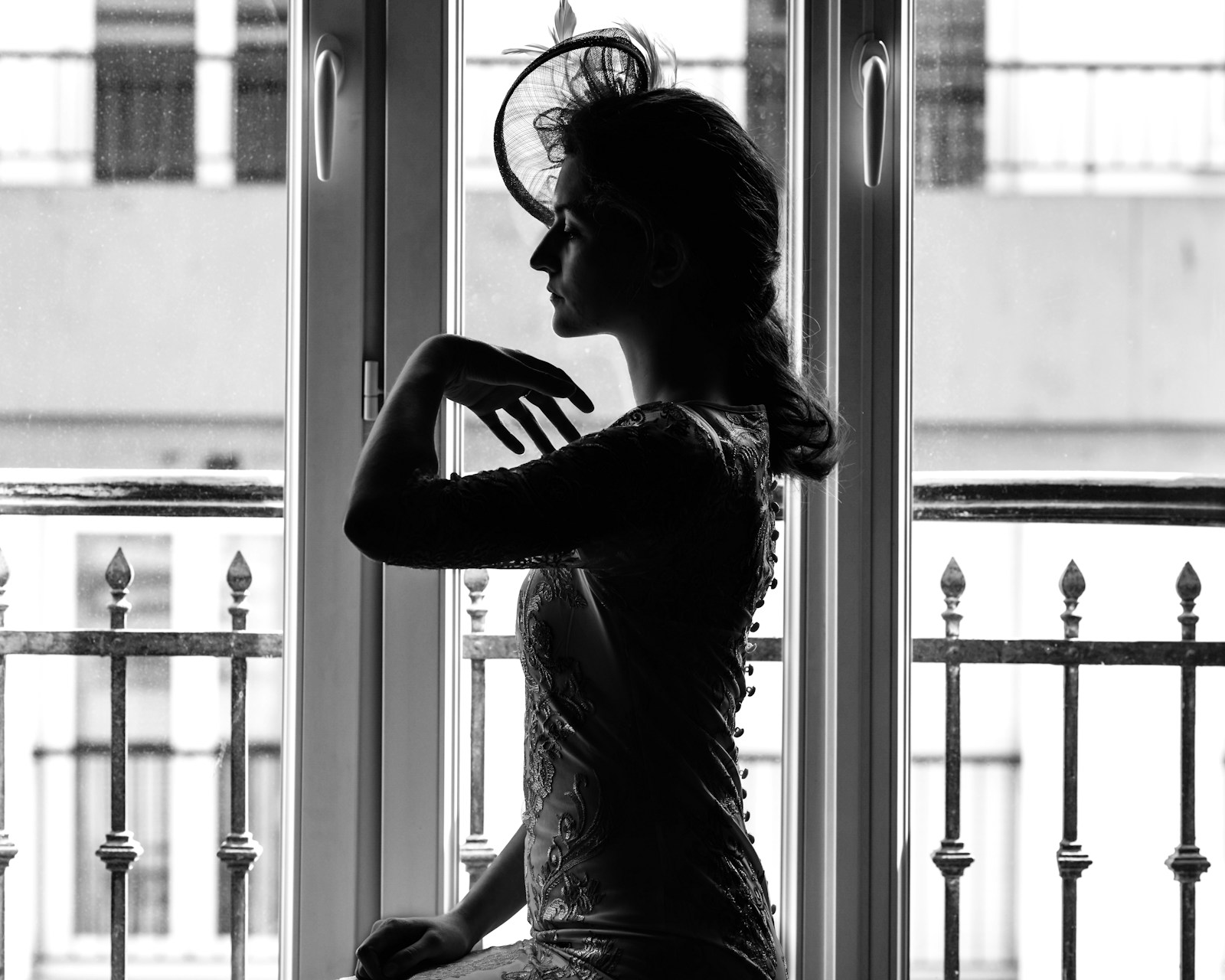
Minimalism: Why 1990s Restraint Still Defines Luxury Today
A bias-cut slip in undyed silk, a sleeveless shift in undyed wool, a bag with no logo at all. The decade that decided that subtraction was a luxury proposition — and was right.
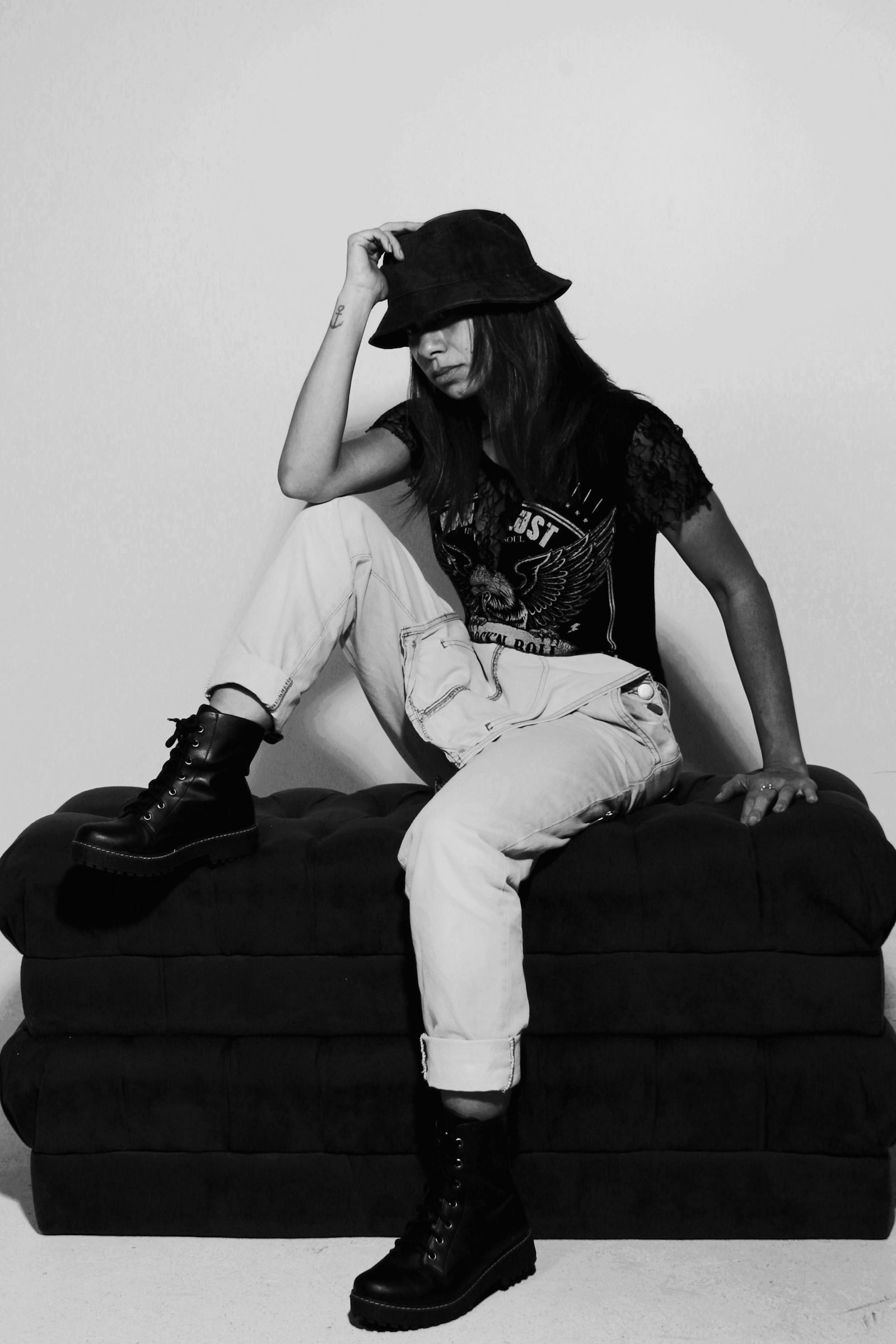
Grunge: The Collection That Got Marc Jacobs Fired in 1992
A flannel shirt from a thrift shop, a slip dress over a Tee, a pair of Doc Martens. The Seattle-imported anti-glamour that ended one designer’s job at Perry Ellis and reordered fashion for a decade.