Le Smoking: Yves Saint Laurent Dresses Women in Tuxedos
In August of 1966, an evening tuxedo appeared on a Paris runway. The model was a woman. The century shifted, quietly, on its heel.

1950s New Look era, MCMXLVII–MCMLIX
The photograph, by Helmut Newton, was published in French Vogue in 1975. It shows a woman in a tuxedo, in a narrow Paris street at night, lighting a cigarette. Her companion, in the second frame, is nude. The image is not, strictly, what made Le Smoking famous — but it is what made Le Smoking inevitable.
Yves Saint Laurent had shown the first Le Smoking in August of 1966, as part of his autumn couture collection. It was black wool, satin-lapelled, worn with a pussy-bow blouse. No restaurant in Paris, at the time, would seat a woman in trousers. Within the decade, the garment was a uniform.
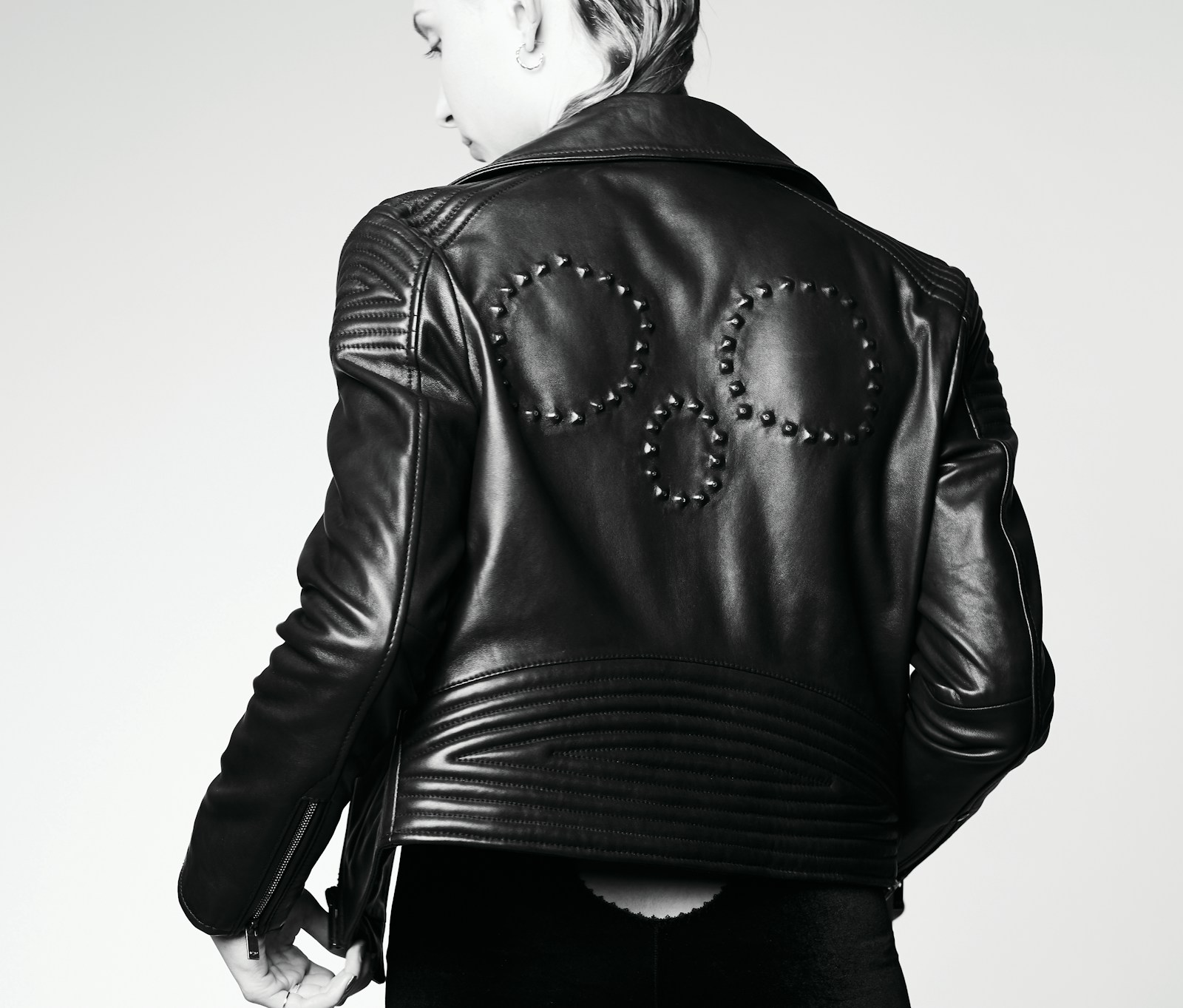
The Argument, Made in Tailoring
I designed for women with lives. I did not design for women to stand in doorways. — Yves Saint Laurent, 1983
The argument Saint Laurent made was not a political one, or not explicitly. It was a tailoring argument: that the formal vocabulary of menswear — the tuxedo, the pea coat, the safari jacket, the trench — was simply good clothing, and the right of women to wear it was the right of women to own their own wardrobes.
What he understood, and what the ban at Maxim's confirmed, was that good clothing is never only that.
Afterlives
Every black suit a woman has worn to a board meeting since is a descendant of Le Smoking. So, too, is every pantsuit sent down a runway as a gesture. It is difficult, looking at contemporary tailoring, to identify a single silhouette that does not owe the YSL atelier something.
Saint Laurent himself remained, until his death in 2008, wary of being called a feminist. "I was a couturier," he said in 2002. "I made clothes for the women who wore them." That those clothes made an argument regardless is, perhaps, the most persuasive recommendation a garment can have.

Ivo Marchetti
Writer and dress historian. Ivo contributes regularly on menswear, subculture, and the economics of style.
Related Dispatches

Streetwear: How a New York Skate Shop Conquered Paris Fashion
A graphic tee from Lafayette Street, a hoodie from Harajuku, a sneaker drop announced on Instagram. The forty-year migration of skate-and-hip-hop dressing from subculture to luxury runway.

Minimalism: Why 1990s Restraint Still Defines Luxury Today
A bias-cut slip in undyed silk, a sleeveless shift in undyed wool, a bag with no logo at all. The decade that decided that subtraction was a luxury proposition — and was right.

Grunge: The Collection That Got Marc Jacobs Fired in 1992
A flannel shirt from a thrift shop, a slip dress over a Tee, a pair of Doc Martens. The Seattle-imported anti-glamour that ended one designer’s job at Perry Ellis and reordered fashion for a decade.
Readers’ Letters
Submissions are moderated, as in any decent publication.
No letters received yet. Yours may be the first.