Punk and Vivienne Westwood's SEX
At 430 King’s Road, in the years 1974 to 1976, a boutique began selling bondage trousers and the end of the 1970s. Neither arrived quietly.
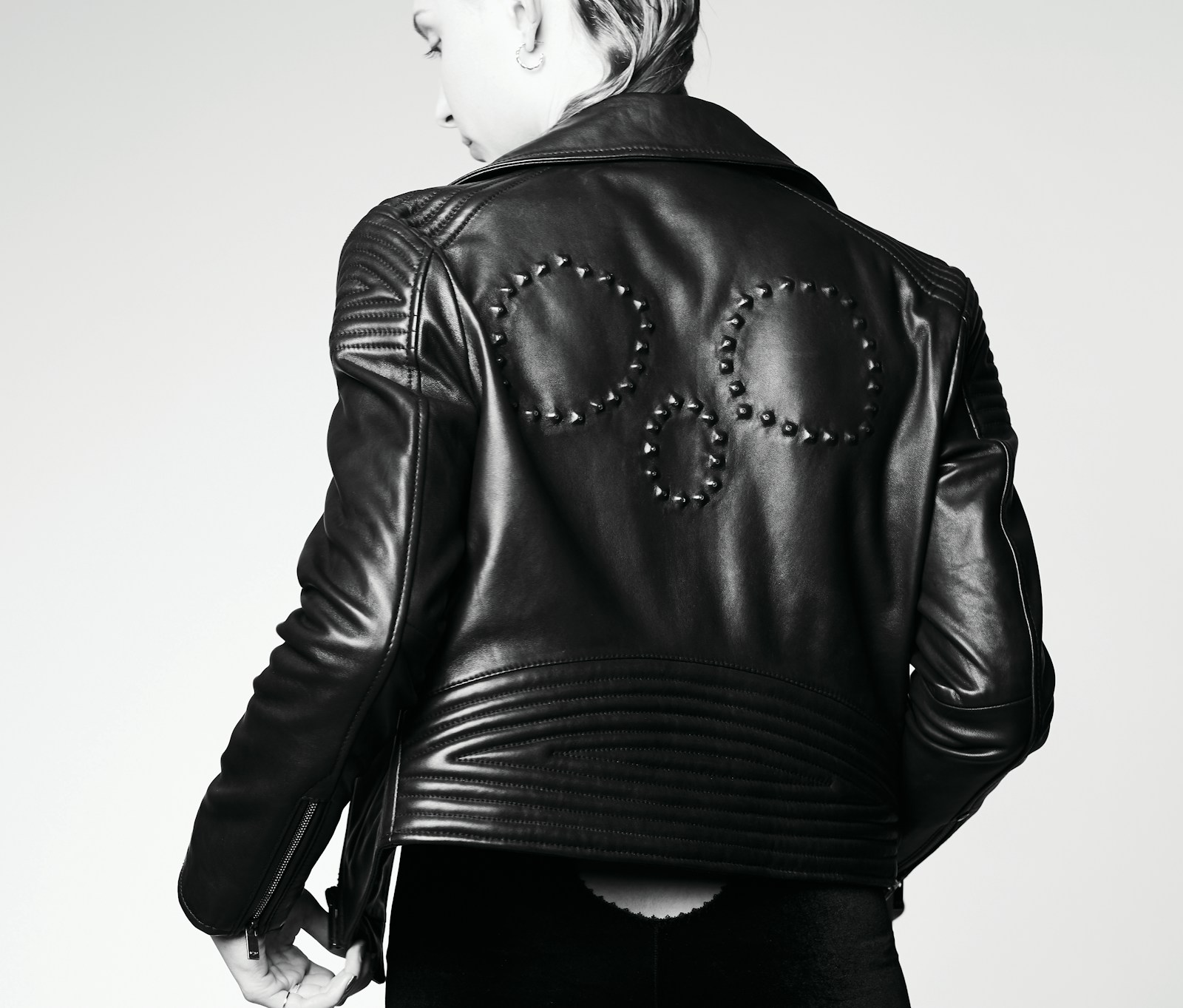
1990s Streetwear era, MCMXC–MCMXCIX
The shop at 430 King’s Road, London, changed its name four times in six years. It was Let It Rock in 1971. It became Too Fast To Live Too Young To Die in 1972. In 1974 it became SEX. In 1976 it became Seditionaries. By 1980 it was Worlds End, which — uniquely — it has remained.
Vivienne Westwood and Malcolm McLaren ran the shop. Westwood designed; McLaren promoted; the Sex Pistols, whom McLaren also managed, modelled. The garments themselves — the bondage trousers, the safety-pinned muslin, the ripped T-shirts with the upside-down crucifix — constituted the first collection a commercially active designer has ever produced that was intended to look, at a distance, like it had been salvaged.
The Inversion
Westwood’s central insight was that the vocabulary of the 20th-century wardrobe could be recombined until it became unreadable. A school uniform (the striped tie, the grey pleated skirt) worn with fishnets and a T-shirt printed with Karl Marx was neither a school uniform nor an outfit; it was a sentence in a new language.
Fashion is the armour we put on to fight the twentieth century. — Vivienne Westwood, 1988
The language spread. By 1977 every youth culture in Britain, and much of Western Europe, was defining itself in relation to it. Punk proper lasted eighteen months. Its stylistic descendants — goth, grunge, every subsequent anti-fashion moment — still quote Westwood’s 1976 sample book.
After the Shop
Westwood outlived both McLaren and punk. By the 1990s she had become, improbably, a British institution — a Dame, a showroom at Paris Fashion Week, a corseted silhouette she had excavated from Victorian dressmaking manuals and restored to the catwalk. She died in 2022, at 81, in Clapham, in a house full of books.
What she left, apart from the house, was a permissions slip: evidence that the wardrobe is a set of rules that can be rewritten, and that the rewriting is, occasionally, the whole job.
Anaya Deshmukh
Fashion historian and essayist based in Delhi. Former curator at the Museum of Costume, her work traces the social lives of garments across two centuries.
Related Dispatches

Streetwear: How a New York Skate Shop Conquered Paris Fashion
A graphic tee from Lafayette Street, a hoodie from Harajuku, a sneaker drop announced on Instagram. The forty-year migration of skate-and-hip-hop dressing from subculture to luxury runway.

Minimalism: Why 1990s Restraint Still Defines Luxury Today
A bias-cut slip in undyed silk, a sleeveless shift in undyed wool, a bag with no logo at all. The decade that decided that subtraction was a luxury proposition — and was right.
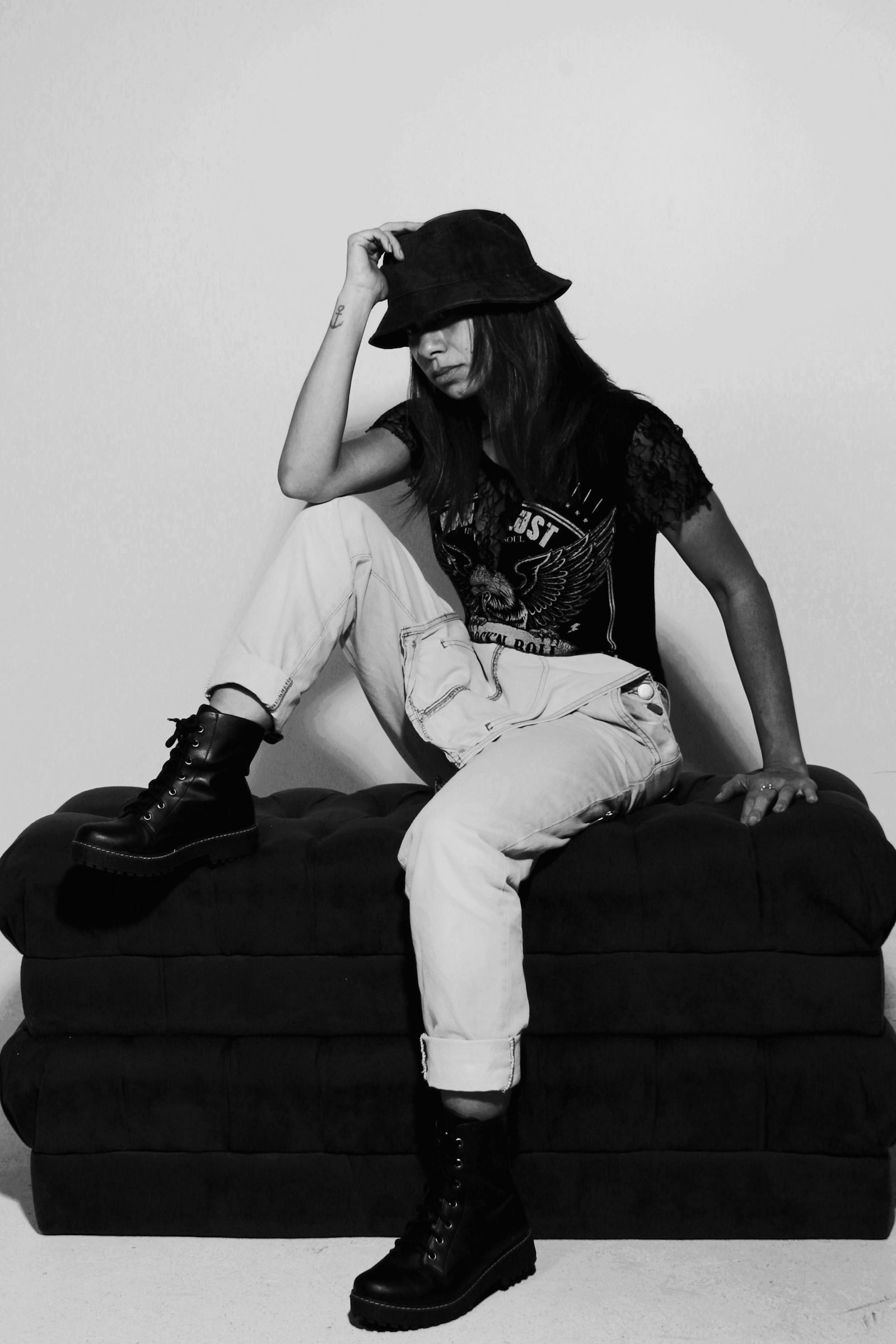
Grunge: The Collection That Got Marc Jacobs Fired in 1992
A flannel shirt from a thrift shop, a slip dress over a Tee, a pair of Doc Martens. The Seattle-imported anti-glamour that ended one designer’s job at Perry Ellis and reordered fashion for a decade.
Readers’ Letters
Submissions are moderated, as in any decent publication.
No letters received yet. Yours may be the first.