Elsa Schiaparelli and the Birth of Shocking Pink
Before the colour had a Pantone number, it had a bottle. The surrealist couturier who tinted the twentieth century.

1920s Flapper era, MCMXX–MCMXXIX
Elsa Schiaparelli was not trained as a dressmaker. She was an art-school misfit from a Roman aristocratic family who arrived in Paris in 1922 with a failed marriage, a small daughter, and the conviction that couture was an insufficiently serious art form.
By 1937 she had collaborated with Salvador Dalí on a lobster dress, with Jean Cocteau on a suit embroidered with an illusionary face, and with Meret Oppenheim on fur-lined jewellery. She had also introduced a colour: shocking pink, a magenta so saturated it seemed, to the eye, to hum.
The Bottle
She launched the colour with a perfume. The bottle, released in 1937, was designed by the surrealist artist Leonor Fini and modelled on the bust of Mae West. The fragrance itself was a gardenia-and-honey composition. The bottle sold it.
A dress cannot just hang like a painting. It must be worn, which is to say, it must survive the tea. — Elsa Schiaparelli
Schiaparelli was the first couturier to understand fragrance as the engine of fashion’s economy. The dress paid for the perfume; the perfume paid for the house. Chanel, her rival, would adopt the model within the decade.
The House, Closed
The House of Schiaparelli closed in 1954. It would be reopened, sixty years later, by Diego Della Valle, under whose ownership designers from Bertrand Guyon to Daniel Roseberry have revived the surrealist archive. The pink — still officially trademarked as Shocking — returns with every collection, as reliably as the returning season itself.
Anaya Deshmukh
Fashion historian and essayist based in Delhi. Former curator at the Museum of Costume, her work traces the social lives of garments across two centuries.
Related Dispatches

Streetwear: How a New York Skate Shop Conquered Paris Fashion
A graphic tee from Lafayette Street, a hoodie from Harajuku, a sneaker drop announced on Instagram. The forty-year migration of skate-and-hip-hop dressing from subculture to luxury runway.
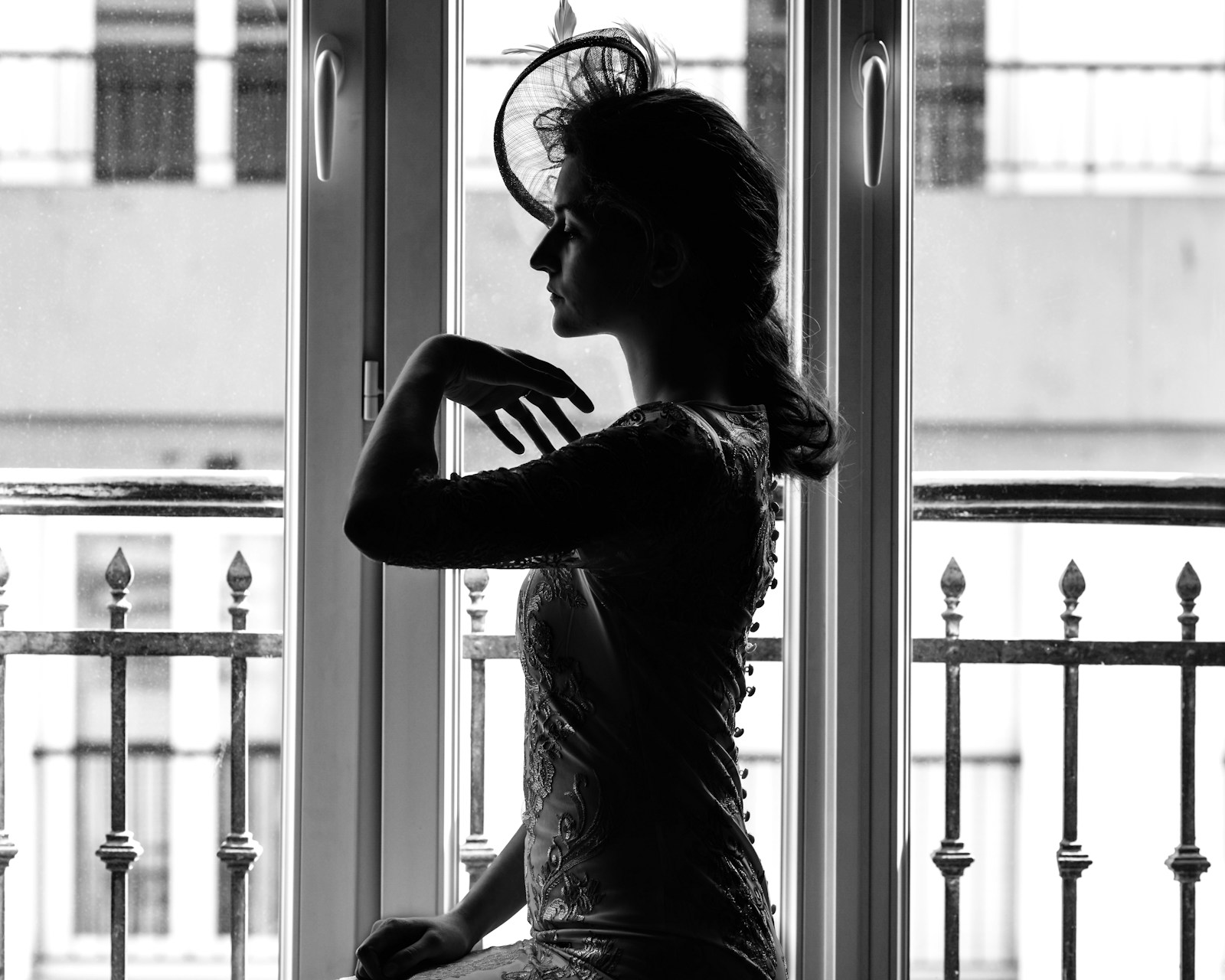
Minimalism: Why 1990s Restraint Still Defines Luxury Today
A bias-cut slip in undyed silk, a sleeveless shift in undyed wool, a bag with no logo at all. The decade that decided that subtraction was a luxury proposition — and was right.
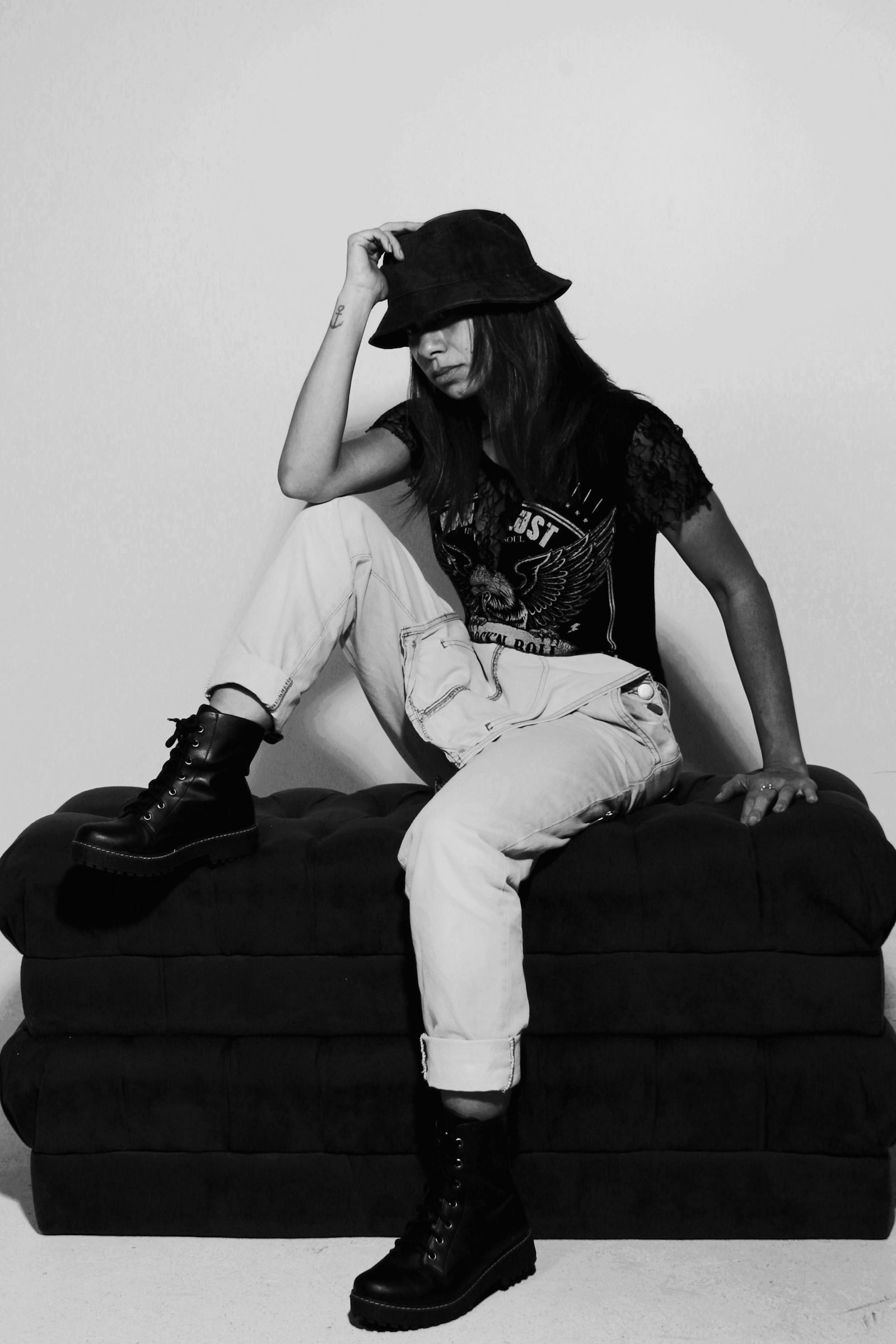
Grunge: The Collection That Got Marc Jacobs Fired in 1992
A flannel shirt from a thrift shop, a slip dress over a Tee, a pair of Doc Martens. The Seattle-imported anti-glamour that ended one designer’s job at Perry Ellis and reordered fashion for a decade.
Readers’ Letters
Submissions are moderated, as in any decent publication.
No letters received yet. Yours may be the first.