Coco Chanel and the Liberation of the Modern Silhouette
She dressed the twentieth century in jersey, cropped its hair, and freed its waist. The story of how a milliner from Saumur became the architect of modern style.

1920s Flapper era, MCMXX–MCMXXIX
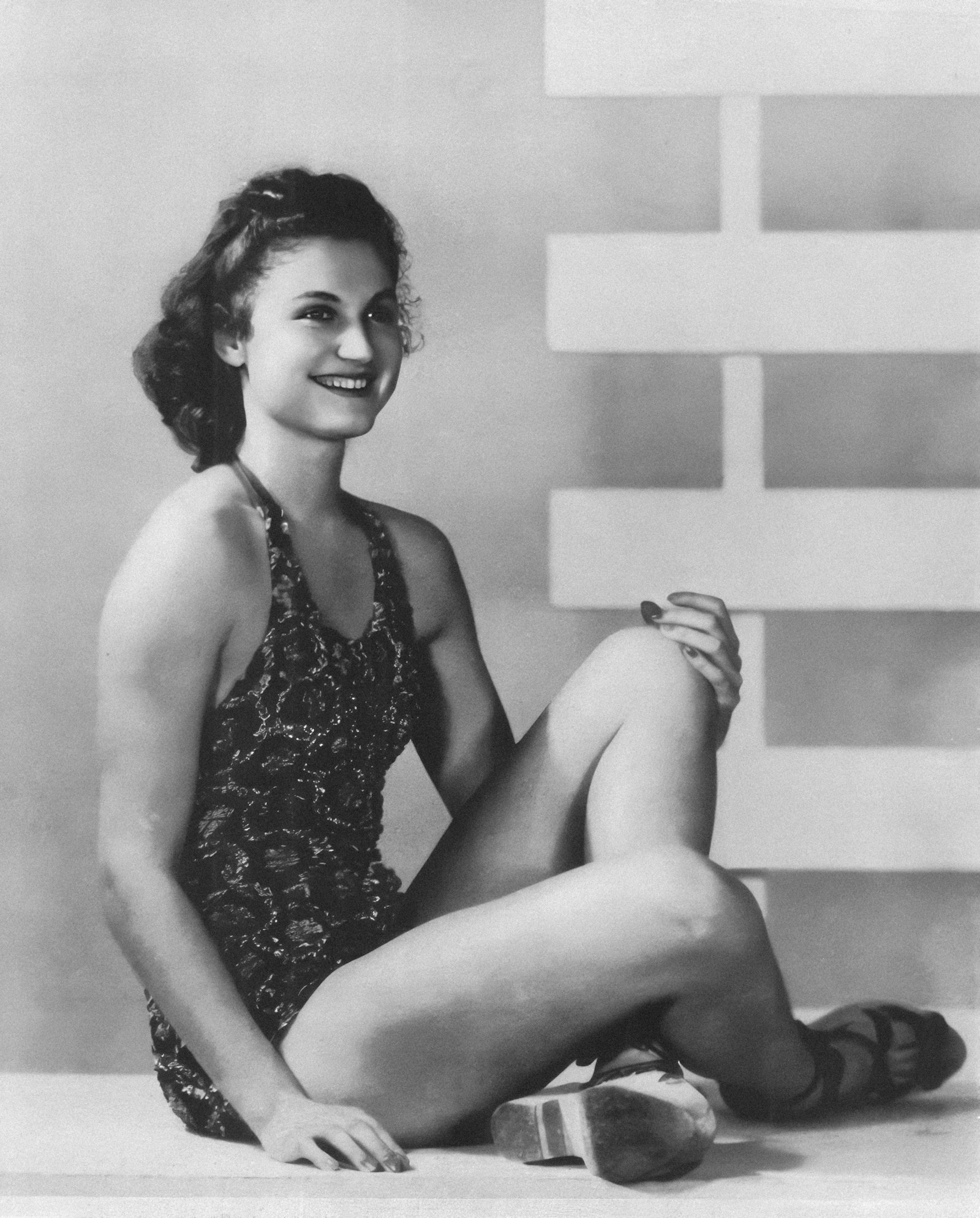
Gabrielle Chanel, who would die a Mademoiselle and be remembered as a Madame, opened her first millinery shop in Paris in 1910 with money loaned by her lover. By the middle of the decade she had stopped selling hats and started selling a new body. The silhouette she proposed was radical in its quietness: a straight line from shoulder to knee, no waist, no bust, and, scandalously, no corset.
Jersey, the cheap, stretchy wool knit that had been used for men’s undergarments, was her material of choice. It draped, it moved, it survived a journey on the new passenger trains. When she used it to make day dresses in 1916, American Vogue called her garments "deceptively simple," a phrase that has followed her reputation ever since.
The Little Black Dress
In 1926 Vogue published a sketch of a Chanel dress in black crepe de chine and called it "Chanel's Ford," predicting that like Henry Ford's Model T it would become a uniform. It did. Black, before Chanel, was the colour of widows and maids. After Chanel, it became the colour of a woman who did not need to ask.
Luxury must be comfortable, otherwise it is not luxury.
A Complicated Legacy
There is no honest account of Chanel that omits her conduct during the Occupation. She lived at the Ritz with a German officer; she attempted, by invoking Aryanisation laws, to seize sole ownership of Chanel N°5 from the Wertheimer family, who had financed it. The plot failed; the Wertheimers survived; the perfume, like the brand, passed through the war and into a longer afterlife than its founder imagined.
What endures is the line. Look at a contemporary runway—any runway—and find the descendants: the tweed jacket, the two-tone shoe, the sailor pant, the pearls worn with the morning coffee. The twentieth-century silhouette, the one we still wear, was drawn in jersey by a woman who refused, from the age of twelve until the age of eighty-seven, to sit still.

Ivo Marchetti
Writer and dress historian. Ivo contributes regularly on menswear, subculture, and the economics of style.
Related Dispatches

Streetwear: How a New York Skate Shop Conquered Paris Fashion
A graphic tee from Lafayette Street, a hoodie from Harajuku, a sneaker drop announced on Instagram. The forty-year migration of skate-and-hip-hop dressing from subculture to luxury runway.

Minimalism: Why 1990s Restraint Still Defines Luxury Today
A bias-cut slip in undyed silk, a sleeveless shift in undyed wool, a bag with no logo at all. The decade that decided that subtraction was a luxury proposition — and was right.

Grunge: The Collection That Got Marc Jacobs Fired in 1992
A flannel shirt from a thrift shop, a slip dress over a Tee, a pair of Doc Martens. The Seattle-imported anti-glamour that ended one designer’s job at Perry Ellis and reordered fashion for a decade.
Readers’ Letters
Submissions are moderated, as in any decent publication.
No letters received yet. Yours may be the first.