Pakistan
Couture craftsmanship.
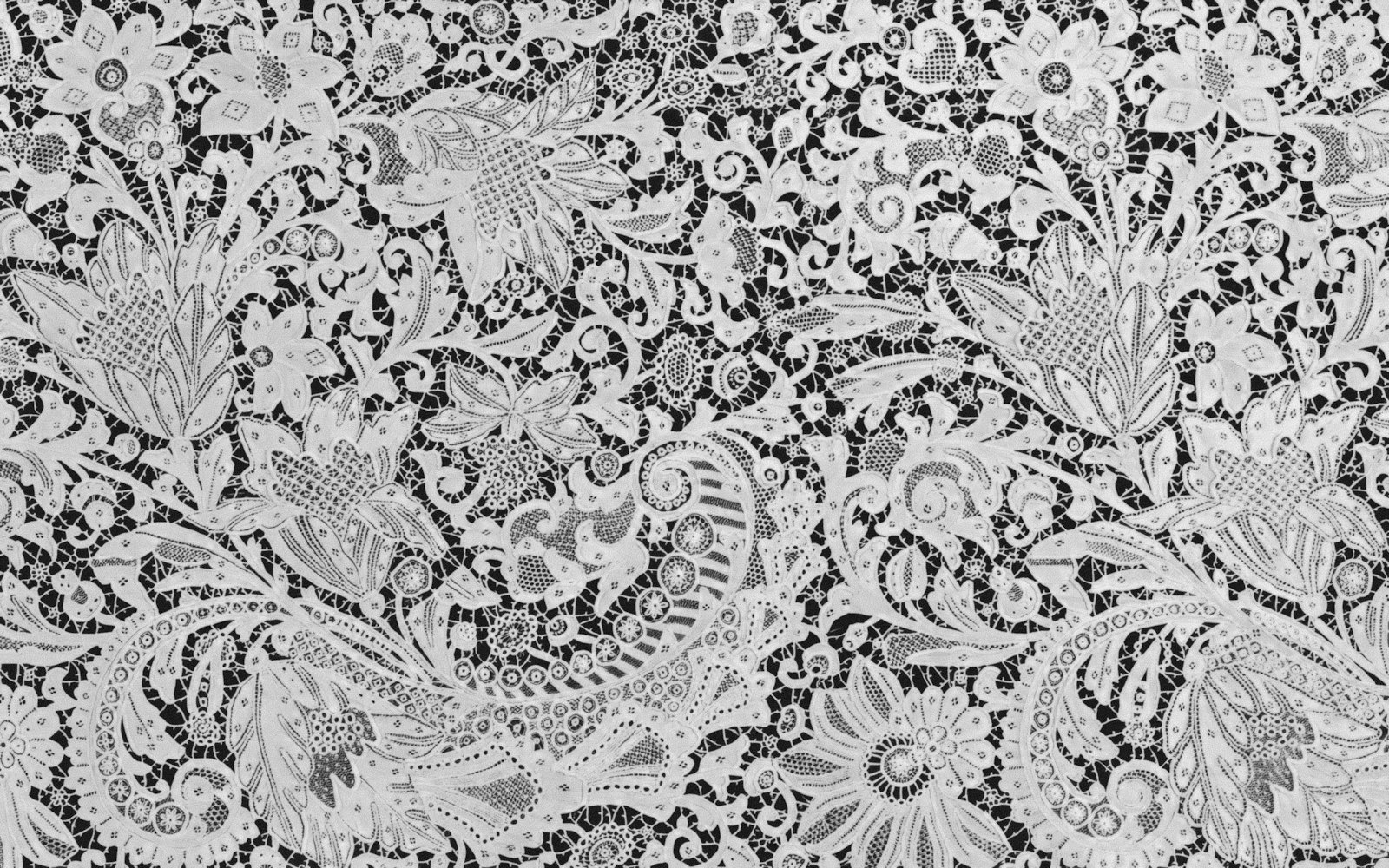
Pakistani fashion is built on the same subcontinental craft heritage as Indian fashion — Banarasi brocade, chikankari, zardozi, gota-patti — but oriented toward a distinct Karachi–Lahore–London–Dubai luxury corridor. From HSY's theatrical couture to Sania Maskatiya's modernist separates to Elan's bridal empire to Khaadi's mass-premium ready-to-wear, Pakistan's fashion industry is one of the most technically sophisticated in the Islamic world and the largest Muslim-majority fashion economy outside Turkey and Indonesia.
The Craft Inheritance
Pakistani fashion, like Indian fashion, draws on a textile tradition that pre-dates the modern nation-state by several thousand years. The Mughal karkhana system, established in the sixteenth century at its twin capitals of Delhi and Lahore, produced Banarasi brocade, fine chikankari embroidery from Lucknow, gota-patti metallic work from Rajasthan, and block-printed cottons from Sindh. All of these techniques continued, uninterrupted, in what is now Pakistan after the 1947 Partition. The Lahore dressmaking industry in particular — already well-established under the Mughals and refined through the British period — was the direct inheritor of the northern Indian couture tradition.
The Partition itself, however, reset the economic map. Many Muslim master craftsmen relocated from Delhi and Lucknow to Lahore and Karachi; Hindu craftsmen moved in the opposite direction. What had been a single subcontinental craft economy split into two competing industries. For the next forty years, Pakistani fashion was, functionally, the Lahore couture trade supplying the country's landowning elite with bespoke shalwar kameez and the occasional Western gown — a small, private, undocumented business.
The 1980s and the PIFD
The modern Pakistani fashion industry emerges in the 1980s, in two places. In Lahore, the Pakistan Institute of Fashion Design (PIFD) was founded in 1987 — the country's first formal fashion school, producing graduates who would, across the following decade, build the Pakistani private-label industry from scratch. In Karachi, a parallel commercial scene developed around the Libas magazine (founded 1987) and the first generation of named Pakistani designers: Khadijah Shah, Tapu Javeri, Bunto Kazmi.
The defining Pakistani designer of the 1990s and 2000s was Hassan Sheheryar Yasin — widely known by his initials HSY — whose Lahore atelier, opened in 1994, produced the theatrical, heavily embellished couture that would come to define Pakistani bridal fashion globally. HSY's weddings — real Pakistani weddings for which his gowns were commissioned — became, via the Pakistani diaspora, the definitive visual vocabulary of the South Asian Muslim wedding in Toronto, London, Dubai, and New York.
The Bridal Industrial Complex
Pakistani bridal couture is, by most measures, the largest non-Indian couture industry in the Islamic world. The wedding — the three-day mehndi, nikah, and valima — each requires a distinct outfit, each outfit typically involving weeks of hand embroidery by a team of karigar. The cost of a single Pakistani bride's three-day wardrobe can easily exceed US$20,000; for the country's elite, US$200,000 is unexceptional. The bridal economy supports, in Lahore and Karachi alone, an estimated forty thousand full-time embroidery artisans.
The major Pakistani bridal houses — Elan (Khadijah Shah), Sana Safinaz, Faraz Manan, Ali Xeeshan, Nomi Ansari — operate at couture-level production values. Each house produces, annually, a small number of named bridal collections shown at Pakistan's two major fashion weeks (the PFDC's Lahore week and the FPW in Karachi) and sold to clients across the diaspora.
Lawn: The Summer Economy
Parallel to bridal couture, Pakistan dominates a garment category that barely exists in the European fashion calendar: the lawn collection. Lawn is a fine, lightweight summer cotton; every major Pakistani designer produces an annual lawn collection — two hundred or more designs released in March, sold across the country in a compressed two-month retail window. The industry is enormous. Designers like Maria B., Sana Safinaz, Khaadi, and Gul Ahmed each generate annual lawn revenues exceeding US$50 million. The summer collection launches are televised events. No other country in the world has built a fashion industry around a single fabric category at this scale.
The Contemporary Moment
Pakistani fashion in the 2020s is distributed across Lahore (the couture and PFDC industrial base), Karachi (the ready-to-wear and FPW calendar), and the diaspora (London, Dubai, Toronto, New York — the primary international markets). Sania Maskatiya represents the modernist wing — tailored separates, minimal embellishment, a distinctly post-bridal aesthetic. Misha Lakhani, Zara Shahjahan, and Hussain Rehar produce the contemporary younger-designer work. The industry is, collectively, the fourth-largest in the Muslim world by output after Turkey, Indonesia, and Morocco.
In 2019, Tabassum Mughal became the first Pakistani couturier to show at Paris Haute Couture Week. Pakistani presence on the official Paris calendar remains small. What Pakistan has built instead is a parallel luxury economy — diaspora-powered, wedding-centric, craft-intensive — that operates entirely outside the European calendar and is, for its target market, substantially more important than Paris ever was.
Pakistan’s Designers, in Order of Arrival
Reading from past to present, with cultural context interleaved between the portraits.
No designers catalogued here yet — dispatches forthcoming.